
Discover how digital dentistry Dubai is changing modern dental care through intraoral scanners, AI, 3D imaging, CAD CAM, 3D printing and digital smile design. Learn how dental technology can improve treatment planning, patient communication and personalized care.

How Technology Is Changing Dentistry in Dubai
Dentistry has changed dramatically with the introduction of digital imaging, intraoral scanners, artificial intelligence, CAD CAM systems, 3D printing and digital smile design. Modern digital dentistry Dubai combines these technologies with clinical expertise to make diagnosis, treatment planning and patient communication more efficient. These innovations can also make dental visits more comfortable and help dentists create more personalized treatment plans. However, technology does not replace the dentist. Instead, it gives dental professionals better tools to understand each patient’s needs and plan treatment with greater precision.
What Is Digital Dentistry?
Digital dentistry Dubai refers to the use of digital tools and computer based technologies throughout different stages of dental care. These technologies can support diagnosis, treatment planning, dental restorations, orthodontics, implant dentistry and cosmetic procedures.
Modern digital dentistry can include intraoral scanners, digital X rays, 3D imaging, CAD CAM systems, 3D printers, artificial intelligence and digital treatment planning software. The British Dental Journal describes digital dentistry as the integration of digital and computer controlled systems into clinical practice to support accuracy and precision.
The important point is that technology works alongside clinical expertise. A digital scan or AI system can provide useful information, but an experienced dentist still needs to interpret that information and decide which treatment is appropriate.
How Technology Is Changing Dentistry in Dubai
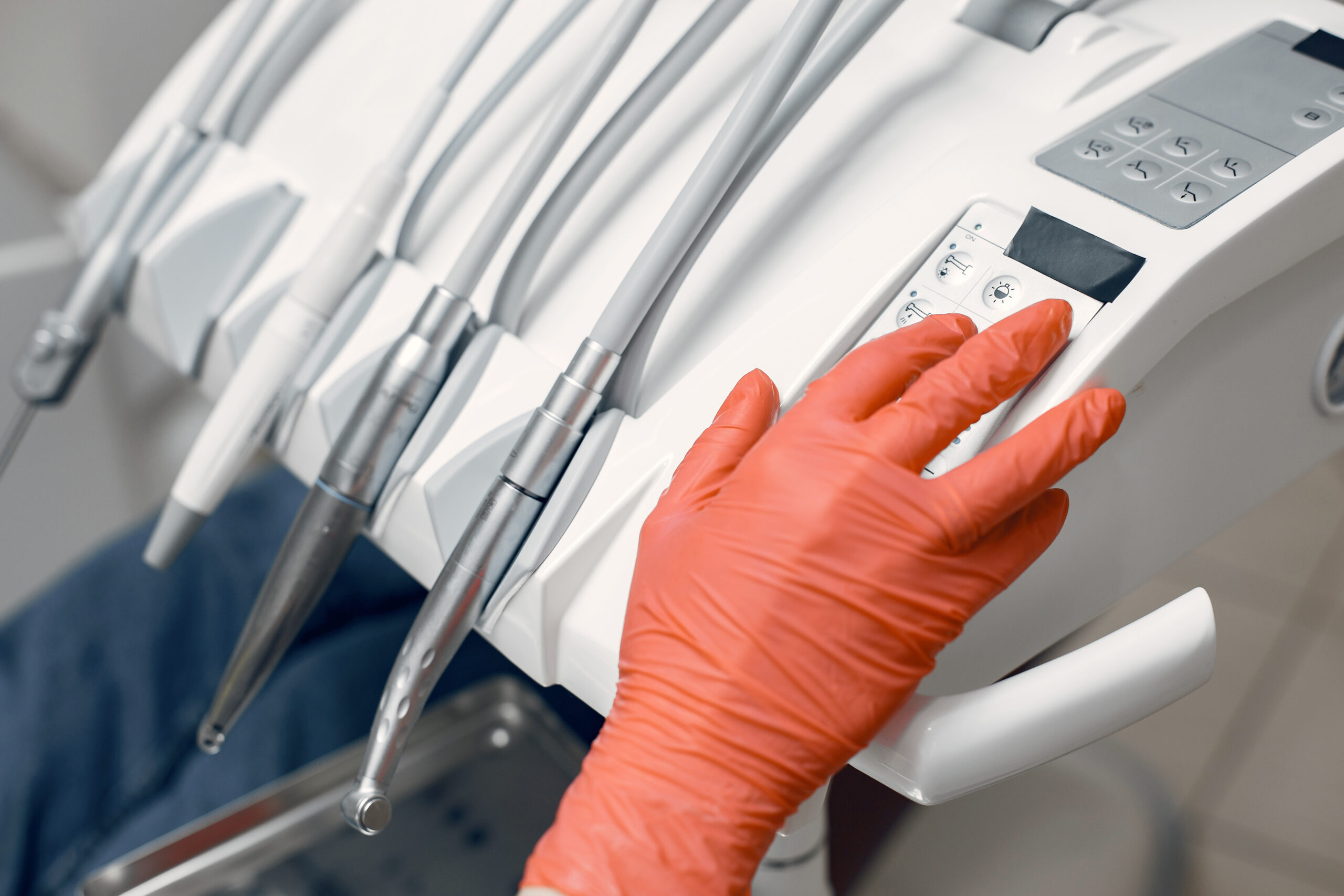
The growth of digital dentistry Dubai reflects a wider transformation in the dental profession. Dentists now have access to tools that can capture detailed information about a patient’s teeth and supporting structures and use that information to plan treatment more effectively.
Digital workflows can connect imaging, scanning, treatment planning and laboratory processes. This approach can reduce unnecessary manual steps and improve communication between dentists, laboratories and patients.
The American Dental Association identifies artificial intelligence, electronic health records, imaging, practice management systems, digital workflows and 3D printing among important areas of modern dental technology.
For patients, the biggest benefit is not simply having more machines in the clinic. The real benefit comes when technology helps the dentist provide a clearer, more personalized and better planned experience.
Intraoral Scanners and Digital Impressions
One of the most useful innovations in digital dentistry Dubai is the intraoral scanner.
Instead of relying only on traditional impression materials, dentists can use a small scanning device to capture digital information about the teeth and surrounding structures. The scanner creates a digital model that the dental team can use for treatment planning and laboratory communication.
For many patients, this can make the impression process faster and more comfortable. The American Dental Association notes that intraoral scanners can provide faster and more comfortable digital impressions for several dental applications, although accuracy can vary depending on the type of scan and clinical situation.
Digital scans can also help patients understand their treatment because the dentist can display the teeth on a screen rather than explaining everything through words alone.
AI in Modern Dentistry
Artificial intelligence is becoming another important part of modern dental technology.
Dental AI systems can assist with image analysis, documentation, workflow management and other tasks. According to 2026 data from the American Dental Association, 43.3 percent of surveyed dentists reported using AI for at least one task in their dental practices, while 22.8 percent reported using AI for imaging and diagnostics.
AI does not mean that a computer independently replaces a dentist. Instead, AI can help identify patterns or organize information so that the dentist can make a more informed clinical decision.
This distinction is important because dental treatment still requires professional judgment, patient history, examination and clinical experience.
3D Imaging and Digital Diagnosis
Three dimensional imaging has also changed how dentists understand complex dental conditions.
CBCT imaging can provide three dimensional information about teeth, bone and surrounding anatomical structures. Dentists can use this information when planning procedures such as dental implants and other treatments that require detailed anatomical assessment.
Digital imaging can also make communication easier. Instead of asking patients to imagine what is happening beneath the surface, dentists can use visual information to explain the condition and discuss possible treatment options.
This is one reason digital dentistry Dubai is becoming increasingly valuable for complex treatment planning.
CAD CAM and 3D Printing
CAD CAM technology has transformed the way many dental restorations are designed and produced.
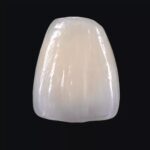
CAD means computer aided design, while CAM means computer aided manufacturing. Together, these systems can help dental teams design restorations such as crowns, veneers and other dental appliances using digital information.
Three dimensional printing adds another layer to the digital workflow. Dental practices and laboratories can use 3D printers to produce models, surgical guides, temporary restorations and other dental applications. The American Dental Association reports that dentists use 3D printing to enhance digital workflows, improve efficiency and reduce manufacturing time in suitable applications.
The technology does not remove the need for skilled dental technicians and dentists. Instead, it gives them new ways to create and customize dental solutions.
Digital Smile Design
For cosmetic dentistry, digital smile design can make treatment planning much more visual.
A dentist can combine photographs, digital scans and specialized software to study the relationship between teeth, lips and facial proportions. This information can help create a treatment plan that matches the patient’s individual appearance.
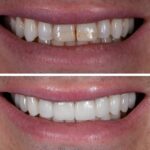
Digital smile design Dubai is particularly useful for patients considering veneers, crowns or a complete smile makeover because it allows the dentist to communicate the proposed aesthetic direction before treatment begins.
The goal should not be to create an identical smile for every patient. Instead, modern cosmetic dentistry aims to create a smile that works naturally with the person’s face.
How Technology Improves the Patient Experience
Technology can improve more than the clinical side of dentistry.
Digital scans can make certain procedures more comfortable. Three dimensional images can make complex conditions easier to understand. Digital planning can help dentists explain treatment options more clearly. Meanwhile, connected digital systems can allow information to move more efficiently between different parts of the dental team.
Research and professional guidance increasingly describe digital workflows as tools that can improve efficiency, communication and treatment planning.
However, every technology has limitations. A scanner still requires proper technique. AI still requires professional oversight. Digital images still need clinical interpretation.
That is why technology should support good dentistry rather than replace it.
Does Technology Replace the Dentist?
No.
The most advanced dental scanner cannot understand a patient’s goals in the same way a dentist can. An AI system can analyze information, but the dentist remains responsible for evaluating the patient’s overall situation and selecting an appropriate treatment approach.
Modern dentistry works best when technology and clinical experience work together.
The dentist provides diagnosis, judgment, communication and treatment expertise. Technology provides additional information, visualization and workflow support.
That combination creates a more complete approach to patient care.
Choosing a Modern Dental Clinic in Dubai
When searching for digital dentistry Dubai, do not choose a clinic simply because it advertises the newest equipment.
Technology is valuable only when trained professionals use it correctly.
Look for a clinic where the dentist explains your diagnosis clearly, discusses different treatment options and uses technology to support your individual needs. Ask how digital scans, imaging or treatment planning tools will contribute to your particular procedure.
A modern dental clinic should combine advanced technology with strong clinical knowledge, patient communication and personalized care.
Ultimately, the best technology is the technology that helps your dentist provide the right treatment for you.
Frequently Asked Questions
What is digital dentistry?
Digital dentistry uses digital imaging, scanning, computer software and other technologies to support diagnosis, treatment planning, dental restorations and patient care.
Is digital dentistry better than traditional dentistry?
Digital technology can improve efficiency, visualization and certain aspects of treatment planning. However, it does not make every procedure better automatically. The appropriate method depends on the patient and the treatment.
How is AI used in dentistry?
AI can assist with tasks such as image analysis, diagnostics, administrative workflows and patient communication. A dentist should still evaluate the information and make clinical decisions.
Are digital dental scans more comfortable?
Many patients find intraoral scanning more comfortable than traditional impression methods. However, the experience depends on the patient, the scanner and the procedure.
What is digital smile design?
Digital smile design uses digital photographs, scans and software to help plan cosmetic dental treatment according to the patient’s facial features and smile goals.
Is 3D printing used in dentistry?
Yes. Dental professionals can use 3D printing for applications such as models, surgical guides, dental appliances and selected restorative workflows.
Conclusion
The future of dentistry is becoming increasingly digital, but the human side of dental care remains essential.
From intraoral scanners and 3D imaging to AI, CAD CAM, 3D printing and digital smile design, modern technology gives dentists new ways to understand patients and plan treatment.
For patients searching for digital dentistry Dubai, the most important consideration should not be how many machines a clinic has. Instead, look at how the technology supports diagnosis, treatment planning, comfort, communication and personalized care.
Modern dental innovation is ultimately about using better information to make better decisions.
When technology and clinical expertise work together, patients can receive a more informed and personalized dental experience.
If you are considering cosmetic, restorative or preventive dental treatment, speak with a qualified dental professional to understand which modern technologies may be appropriate for your individual needs.
Ready to Experience Modern Dentistry?
For professional dental care and personalized treatment planning, contact Taie Zeinab to discuss your dental needs and available treatment options.
Email: Taie.zeinab@gmail.com
WhatsApp: +971 58 596 0580
Website: https://dentistzeinabtaie.com/
Book a Consultation
It’s easy and free!
John Doe
Dr. Taie is licensed in Dental Surgery (LDS) by the prestigious Royal College of Surgeons of England and holds a Master’s Degree in Oral Pathology from Queen Mary University of London. Her advanced education, combined with years of hands-on expertise, allows her to create beautifully balanced smiles that not only look stunning but also function perfectly.