
Uncover the surprising link between physical fitness and oral health. From “Athlete’s Mouth” and sports nutrition to how dental infections impact muscle recovery and athletic performance, this 2026 guide explores the synergy between dentistry and exercise.


Introduction: The Athlete’s Hidden Performance Barrier
In the modern health landscape of 2026, the traditional divide between “dental health” and “general health” has finally collapsed. For decades, the medical community treated the mouth as an isolated system, but recent breakthroughs in the Oral-Systemic Link have proven otherwise. Your mouth is not just for eating and speaking; it is a primary gateway to your internal systems and a “mirror” that reflects your overall physical condition.
Whether it is the microscopic bacteria residing in your gum tissue or the hygiene rituals you perform every morning, the impact on your total body hygiene is profound. This blog explores how professional dentistry and your personal hygiene routine act as the dual pillars of a long, healthy life.
I. How Fitness Impacts Your Teeth: The “Athlete’s Mouth”
While exercise is vital for heart and muscle health, intense training sessions can create unique challenges for oral hygiene.
1. Exercise-Induced Xerostomia (Dry Mouth)
When you engage in heavy cardio or high-intensity interval training (HIIT), you often breathe through your mouth. This dries out saliva, which is the body’s natural defense against acid and bacteria. Without saliva to remineralize enamel, athletes are at a higher risk for:
Enamel Erosion: Acids from food and drinks stay on the teeth longer.
Increased Cavities: Bacteria thrive in dry, sugary environments.
2. The pH Shift in Saliva
Studies in sports medicine have shown that the chemical composition of saliva actually changes during intense exercise, becoming more alkaline. While this sounds good, in the presence of sports drinks and gels, it can lead to the rapid buildup of tartar (calculus), which only a professional dentist can remove.
3. Bruxism and Performance Clenching
Have you ever noticed yourself clenching your jaw during a heavy deadlift or a final sprint? This is “stress-clenching.” Over time, this leads to:
Micro-fractures in the teeth.
TMJ Disorders: Pain in the jaw that can radiate to the neck and shoulders, actually limiting your range of motion during workouts.
II. How Dentistry Impacts Your Fitness: The Recovery Connection
If you have a hidden infection in your mouth, your fitness progress will stall. It’s that simple.
1. Systemic Inflammation and Muscle Recovery
Muscle growth happens during recovery, not during the workout. Recovery requires the immune system to repair micro-tears in the muscle fibers. However, if your immune system is busy fighting Periodontal Disease (gum infection), it cannot effectively repair your muscles.
The Result: Slower recovery times, increased muscle soreness (DOMS), and a higher risk of “overtraining syndrome.”
2. Dental Abscesses and Heart Strain
A dental infection is a constant “low-grade” stressor on the cardiovascular system. When you push your heart rate into the “red zone” during a workout, an existing dental infection can increase the inflammatory markers in your blood, putting unnecessary strain on your heart valves.
3. The Alignment-Balance Link
Your bite (occlusion) is linked to your posture. If your teeth are misaligned, it can cause slight shifts in your neck and spine. For elite athletes, a misaligned bite can lead to a slight imbalance in power output between the left and right sides of the body, leading to asymmetrical muscle development or chronic injuries.
III. Sports Nutrition: The Double-Edged Sword
What you fuel with for fitness can be the biggest enemy of your dentistry.
1. Sports Drinks and Gels
Most pre-workouts and intra-workout drinks are highly acidic and packed with simple sugars. In 2026, dentists recommend:
The Water Rinse: Always chase a sports gel with plain water to rinse the sugar off the teeth.
Alternative Fueling: Switching to “low-acid” or “tooth-friendly” carb sources like diluted natural starches.
2. Casein and Calcium
On the positive side, a fitness-focused diet high in lean proteins and calcium-rich supplements supports the jawbone density required to keep your teeth anchored firmly during high-impact sports.
IV. Preventive Dentistry for the Fitness Enthusiast
To maximize your 2026 fitness goals, your dental routine must be part of your “Training Program.”
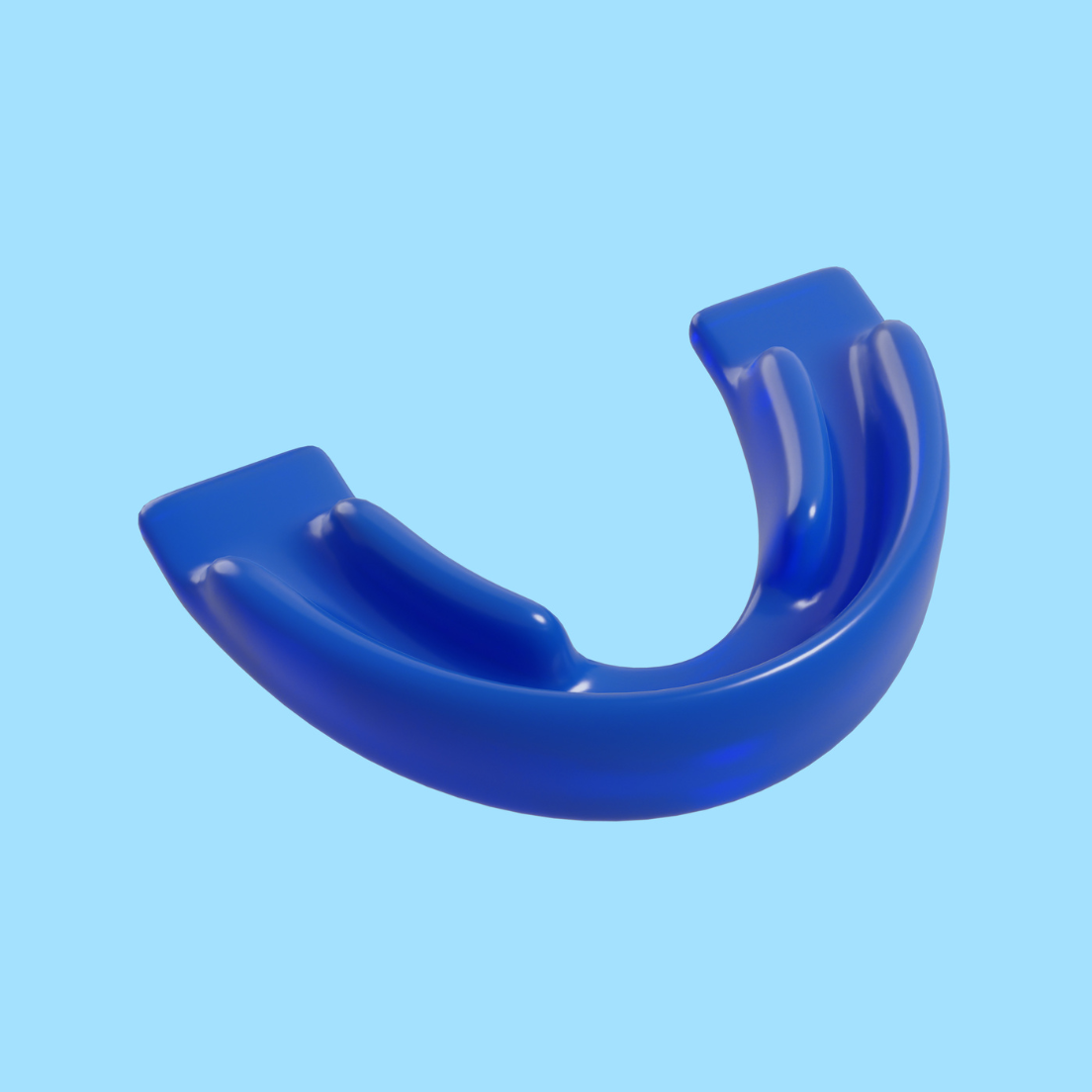
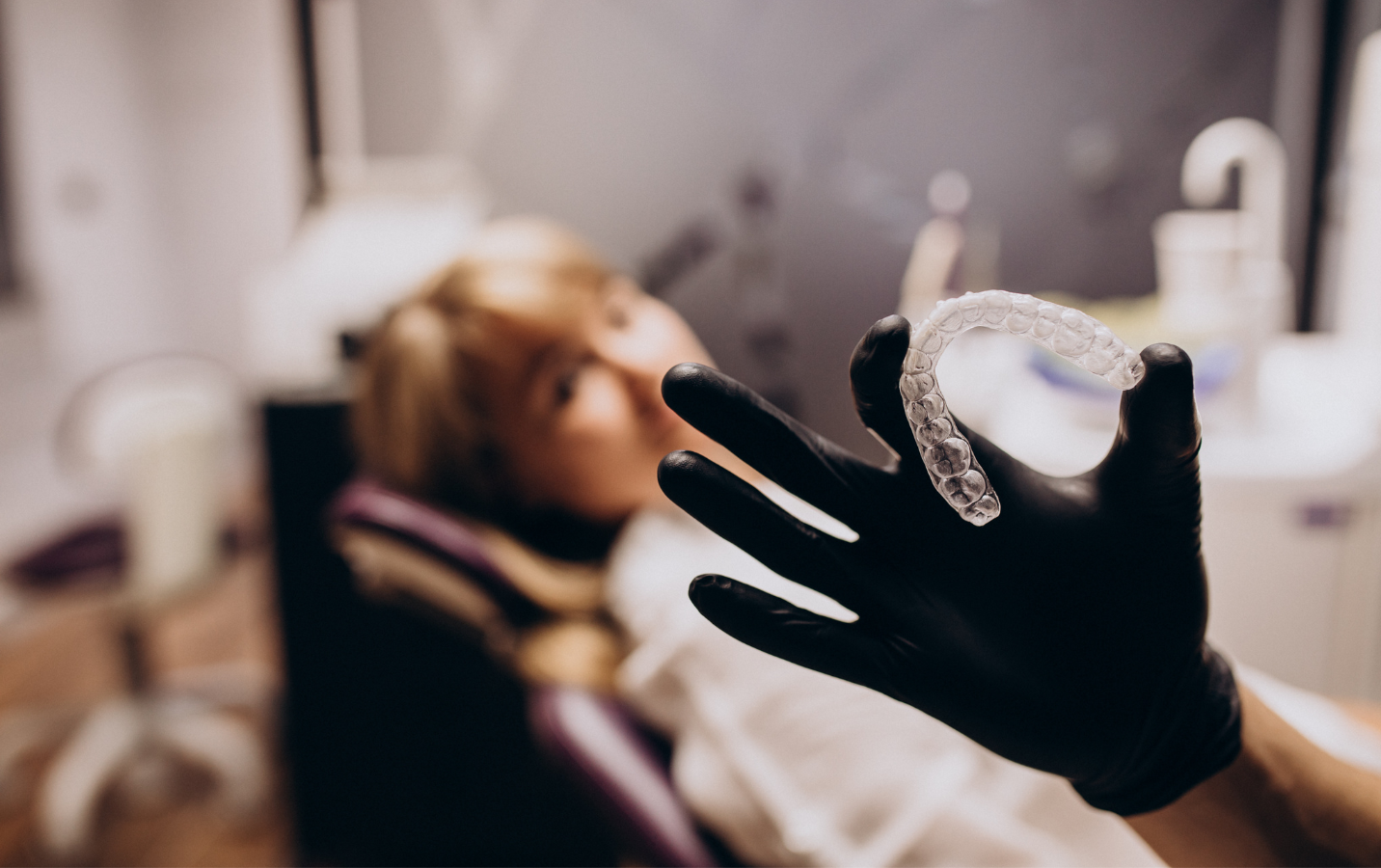
Custom Sports Guards: If you lift heavy or play contact sports, a generic mouthguard isn’t enough. A dentist-made guard protects against concussions and tooth fractures while allowing for better airflow.
Regular Cleanings: Removing oral biofilm ensures your immune system stays focused on muscle repair, not fighting gum bacteria.
Hydration Strategy: Using electrolyte tablets that are pH-balanced to prevent enamel stripping during long runs or cycles.
Conclusion: A Unified Peak Performance
The takeaway for 2026 is clear: You cannot have a 10/10 body with a 2/10 mouth. The inflammation, bacteria, and mechanical stress found in the mouth have a direct, measurable impact on your strength, endurance, and recovery.
By treating your dental checkups as “maintenance for your engine” and your daily brushing as “post-workout hygiene,” you unlock a new level of physical potential. Whether you are a professional athlete or a weekend warrior, remember that peak fitness begins with a healthy smile.
The 2026 Management Strategy
Modern healthcare protocols now require dentists and endocrinologists to work together. If your blood sugar is unstable, the first place your doctor might look is your gum health.
IV. Respiratory Health and Oral Biofilm
Your lungs and your mouth share the same airway. This proximity means that poor oral hygiene can lead to significant respiratory complications.
Bacterial Aspiration
Bacteria from a neglected mouth can be “aspirated” (inhaled) into the lungs. This is particularly dangerous for:
- The Elderly: Who may have weakened immune systems.
- Patients with COPD: Chronic Obstructive Pulmonary Disease can be worsened by oral pathogens.
- Pneumonia Risk: Statistics show that professional dental cleanings significantly reduce the risk of hospital-acquired pneumonia.
V. Personal Hygiene: Your Daily Impact
While professional dentistry provides the “deep maintenance,” your personal hygiene habits are the daily defense. In 2026, we focus on Mechanical vs. Chemical cleaning.
The Mechanical Defense: Brushing and Flossing
Brushing twice a day for two minutes remains the gold standard, but the way you brush matters.
- Electric Toothbrushes: 2026 technology uses pressure sensors to ensure you don’t damage your gums.
- Interdental Cleaning: If you aren’t flossing or using interdental brushes, you are leaving 35% of your tooth surfaces uncleaned. This is where most systemic-linked bacteria thrive.
Personal Hygiene Habits for 2026
- Tongue Scraping: Your tongue holds the majority of the bacteria that cause bad breath and oral infections.
- Hydration: Water is the body’s natural “rinse.” It supports saliva production, which contains essential minerals to repair enamel.
- Probiotic Support: The use of oral probiotics is a rising trend in 2026 to balance the “good” bacteria in the mouth.
VI. The Impact on Pregnancy and Early Life
- Expectant mothers must prioritize oral hygiene more than ever. The 2026 guidelines from the AHA and ACC highlight “Reproductive Risk Markers,” and oral health is a major factor.
- Preterm Birth: Chronic gum inflammation triggers the production of prostaglandins, which can induce early labor.
- Pregnancy Gingivitis: Hormonal changes make gums more sensitive to plaque, making “personal hygiene” during pregnancy a critical health task.
- VII. Psychological and Social Hygiene
- Hygiene is not just physical; it is social. Your oral health directly impacts your psychosocial wellness.
- Confidence: A healthy smile is linked to higher self-esteem and better social interactions.
- Halitosis (Bad Breath): Chronic bad breath is often a sign of underlying infection. Resolving this through professional dentistry improves both personal hygiene and social comfort.
Conclusion: A Unified Approach to Wellness
The impact of dentistry on your personal hygiene—and vice versa—is undeniable. In 2026, we no longer view a dental checkup as a luxury or an “extra” appointment. It is a fundamental component of your preventive medicine strategy.
By maintaining a rigorous personal hygiene routine and visiting your dentist for professional intervention, you are doing more than just saving your teeth. You are protecting your heart, managing your metabolic health, and ensuring that your body’s “mirror” reflects a life of total wellness.
✨Your mouth is the gateway to your body. Treat it with the care it deserves.
Book a Consultation
It’s easy and free!

John Doe
Dr. Taie is licensed in Dental Surgery (LDS) by the prestigious Royal College of Surgeons of England and holds a Master’s Degree in Oral Pathology from Queen Mary University of London. Her advanced education, combined with years of hands-on expertise, allows her to create beautifully balanced smiles that not only look stunning but also function perfectly.